



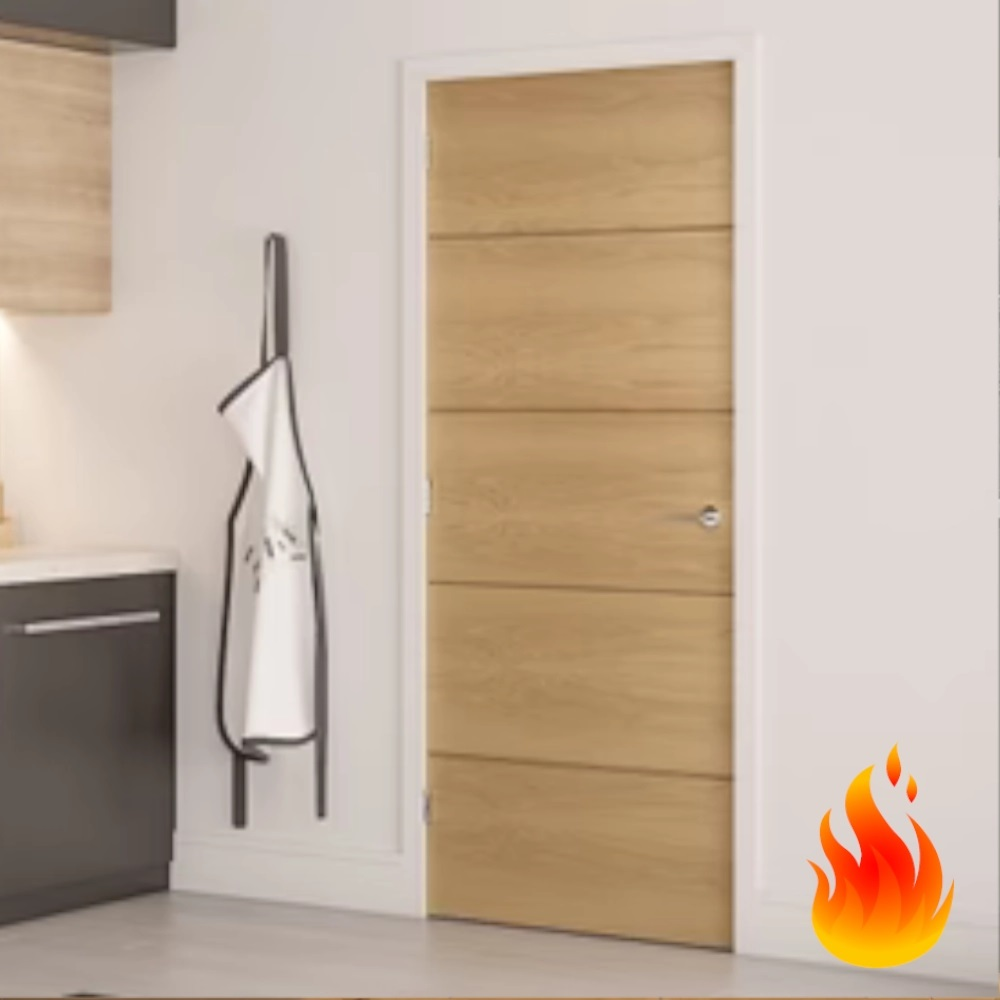
Standard Fire Doors
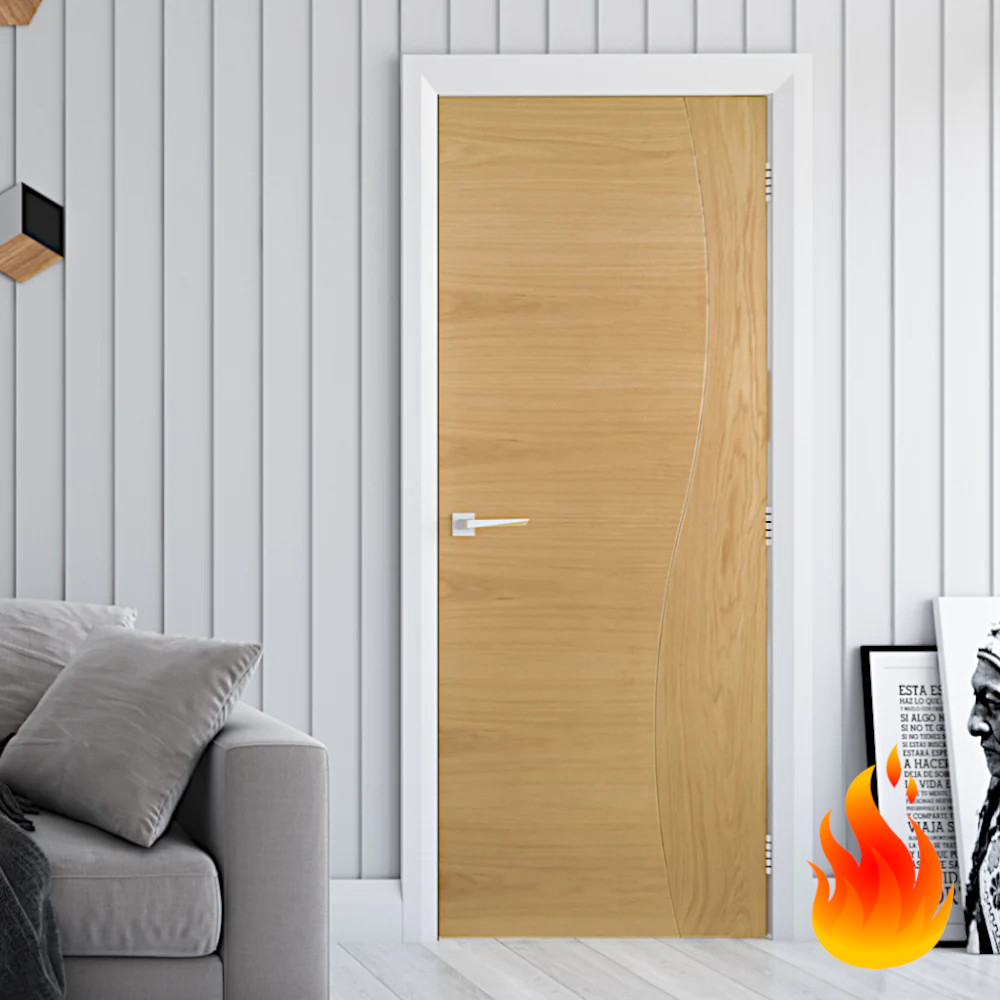
Custom Made Fire Doors
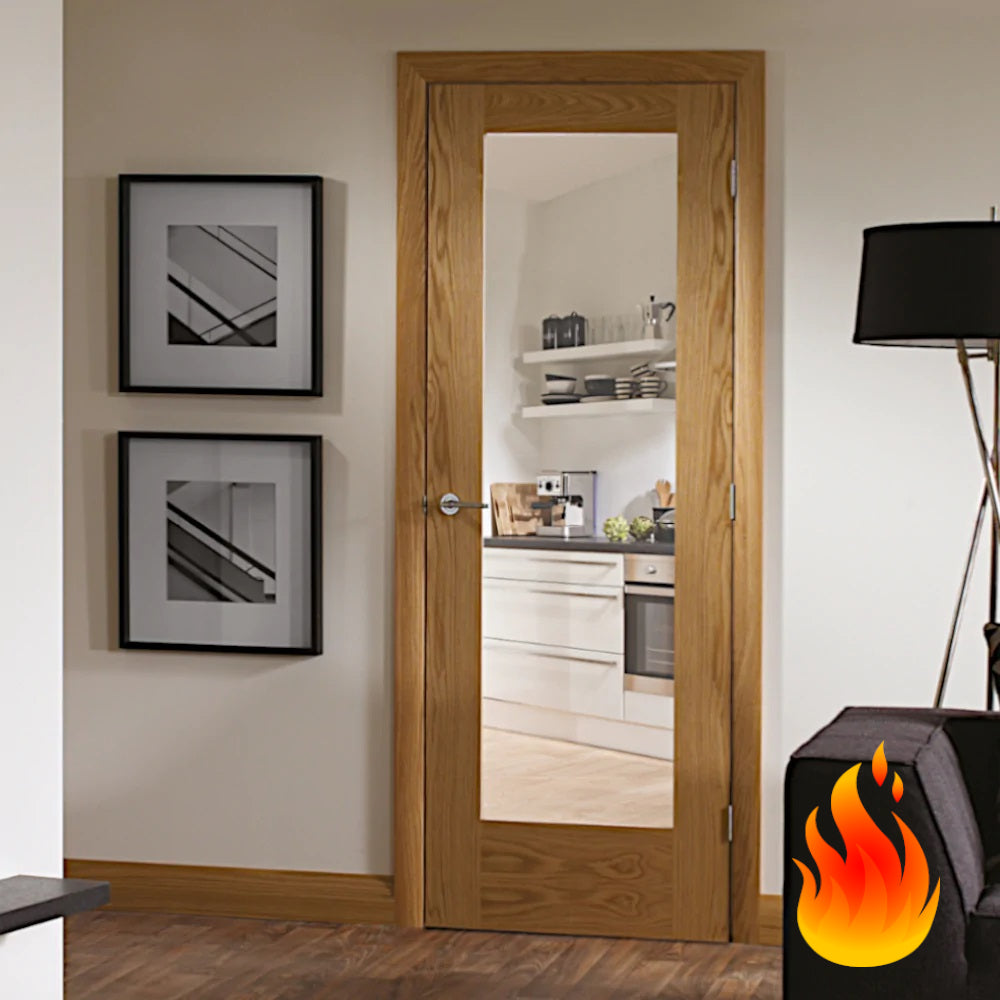
Bespoke Fire Doors
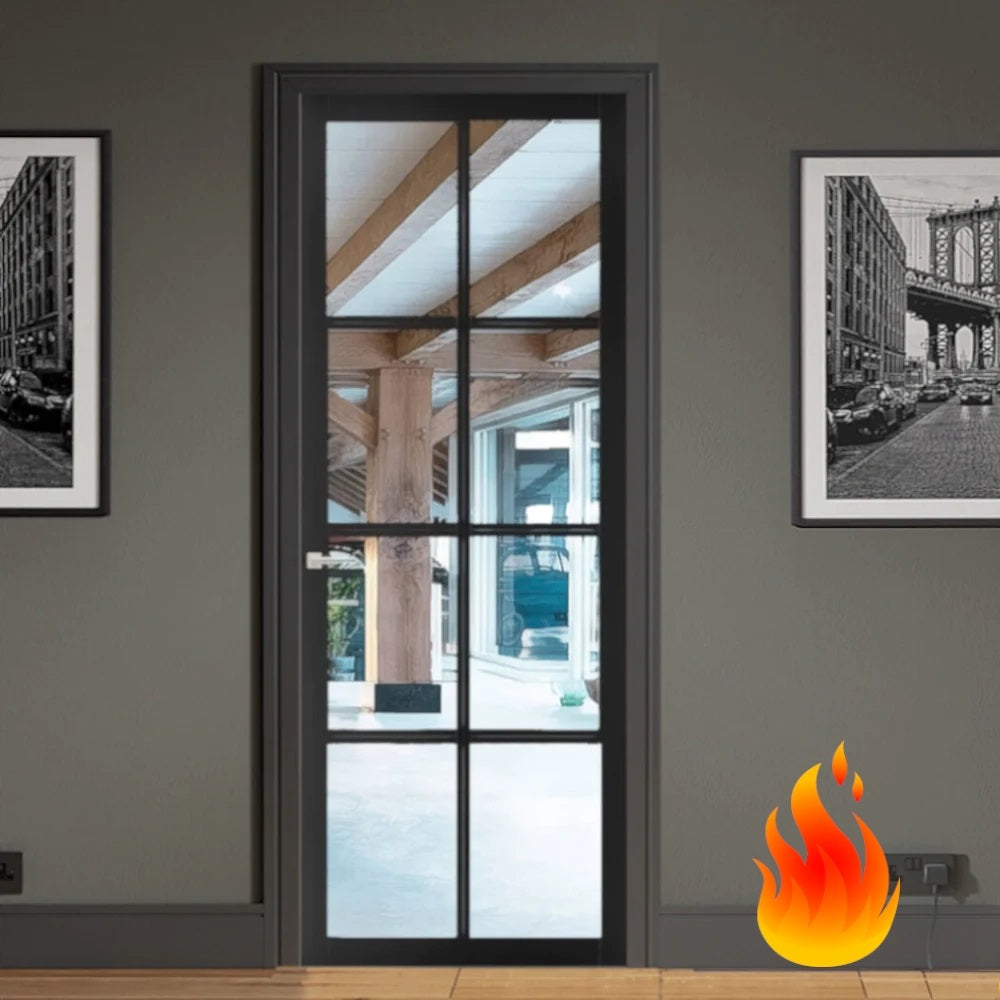
Industrial Style Fire Doors
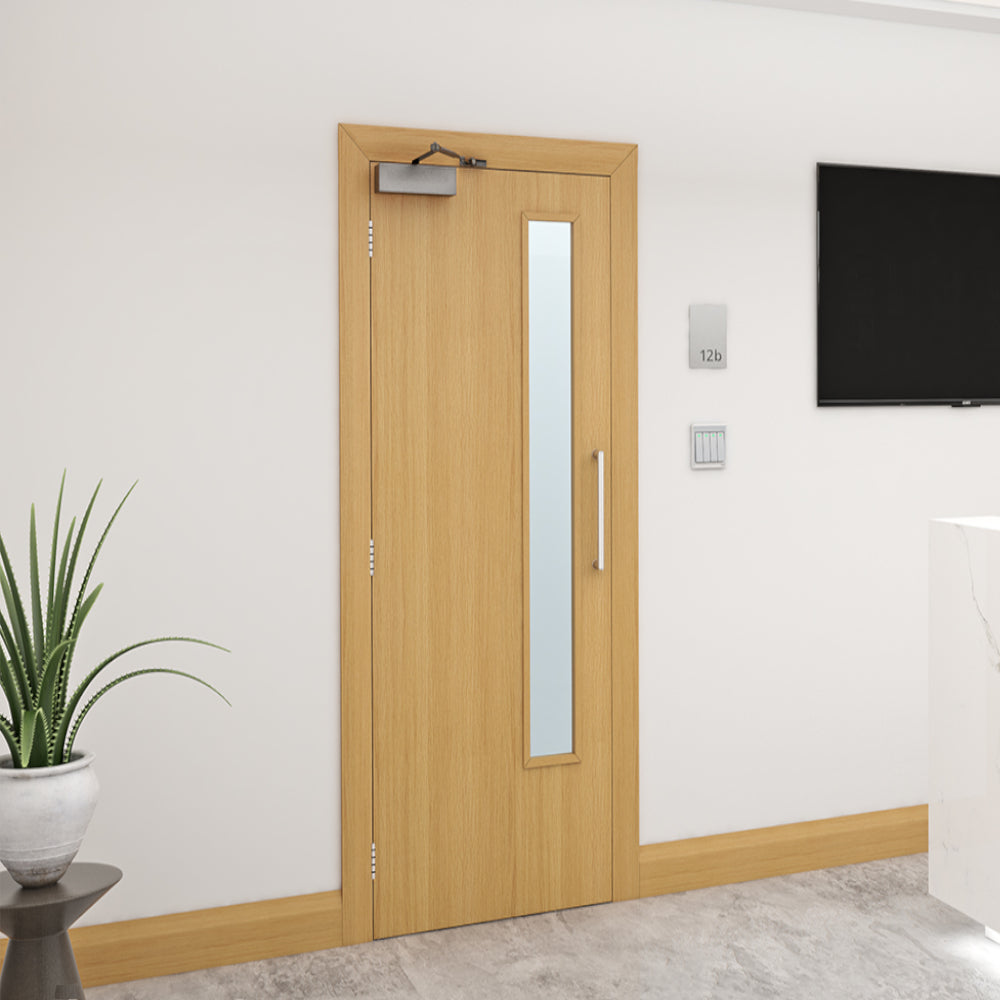
Commercial Fire Doors
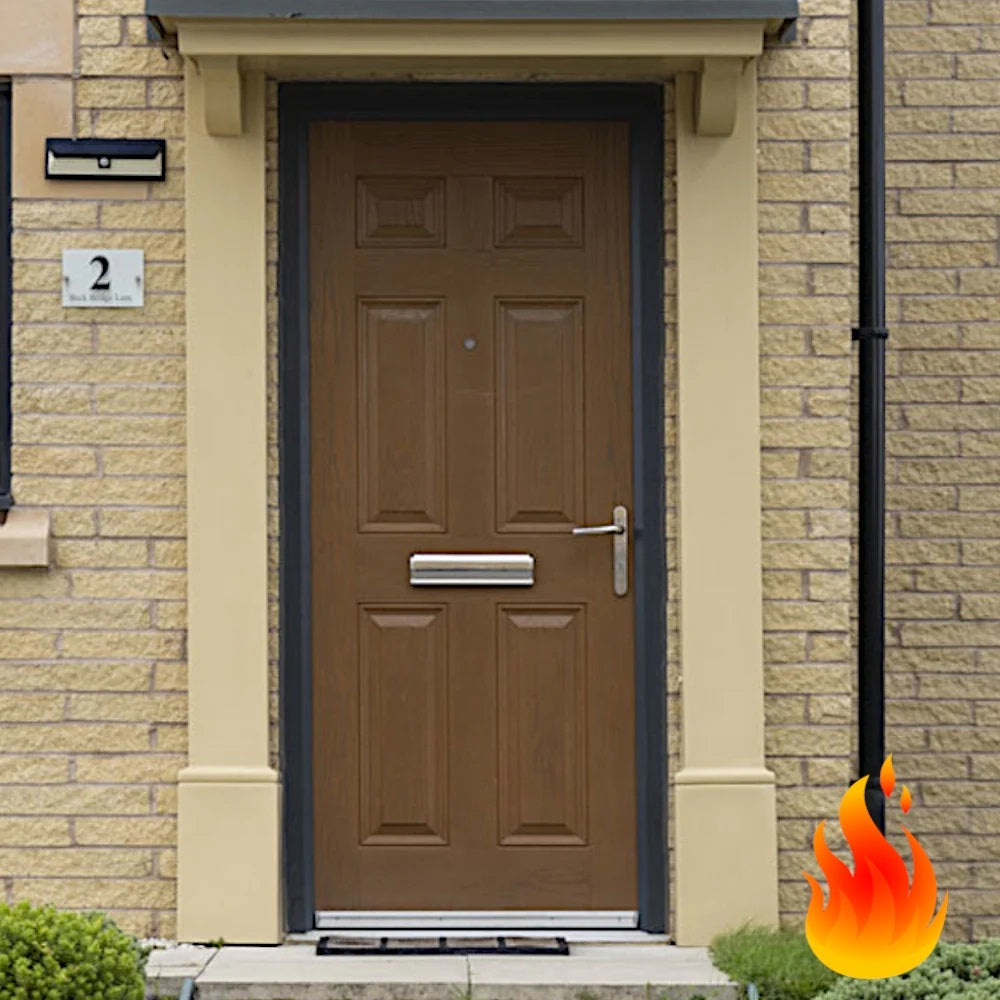
External Fire Doors
Why Buy Fire Doors from Emerald Doors?
FD30 and FD60 Rated
Choose FD30 doors for 30 minutes of fire resistance or FD60 for 60 minutes, to match what your building and its regulations require.
Certified and Tested
Our fire doors are certified to recognised standards such as BS 476 Part 22 and the Certifire scheme, so you can prove their fire performance.
Intumescent Seals Fitted
Fire doors are fitted with intumescent seals that expand in heat to seal the gaps around the door, with cold smoke seals available where needed.
Solid, Heavy Duty Core
Fire doors use a dense, solid core rather than a hollow one, which gives them their fire resistance and a reassuring, quality weight.
Every Setting Covered
From internal home fire doors to external, commercial and industrial style options, plus custom and bespoke sizes, we cover every setting.
10 Year Guarantee
Every fire door is backed by our conditional 10-year guarantee against faulty materials or workmanship.


FAQ About Fire Doors
What is a fire door?
A fire door is a door tested and certified to resist fire and smoke for a set time, usually 30 or 60 minutes. Fitted with intumescent seals and the correct frame and ironmongery, it slows the spread of fire and protects escape routes.
What is the difference between FD30 and FD60 fire doors?
The number is the minutes of fire resistance the door provides in a test. An FD30 door holds back fire for 30 minutes and an FD60 door for 60 minutes. FD60 is used where regulations or risk call for longer protection.
Where are fire doors required in a home?
Building Regulations typically require fire doors between an integral garage and the house, on habitable rooms in homes of three or more storeys, on loft conversions, and on flat entrance doors. Approved Document B sets out the detail, and your building control can confirm.
Do fire doors need special seals and ironmongery?
Yes. A fire door only performs with the correct intumescent seals, a compatible frame, and CE-marked fire-rated hinges, closers and locks. Standard ironmongery can stop the door meeting its rating, so components must be fire rated too.
What is the difference between a fire door and a fire exit door?
A fire door resists the spread of fire between spaces. A fire exit door is on an escape route and must open easily to let people out, often with a push bar. Some doors do both, but they are not the same thing, so check what your situation needs.
Do fire doors need to be self-closing?
In many settings, yes. A fire door only protects if it is closed when fire breaks out, so regulations often require a self-closing device, particularly in flats, commercial premises and shared areas.
Do you supply fire door frames and sets?
Yes. Because a fire door only performs as part of a complete set, we supply matching frames and door sets with the correct seals, so the whole assembly meets its fire rating.
Are your fire doors certified?
Yes. Our fire doors are manufactured and certified to recognised standards, including BS 476 Part 22 and the Certifire scheme, and carry the labelling that lets building control and inspectors verify them.